Parenting & Kid's Education

Edit Content

Contact Information

We’re Here to Always Help

We’d love to hear from you! Whether you have questions, feedback, or suggestions, our team is here to help. Reach out anytime and we’ll make sure to respond promptly.

Head Office Address

123 Sunshine Street, Happyville

Office Hours

08 : 00 AM - 10 : 00 PM

Email Address

info@kidseducation.com

Telephone

123-456-7890

Our FAQs

Question Answer

Frequently Asked Question

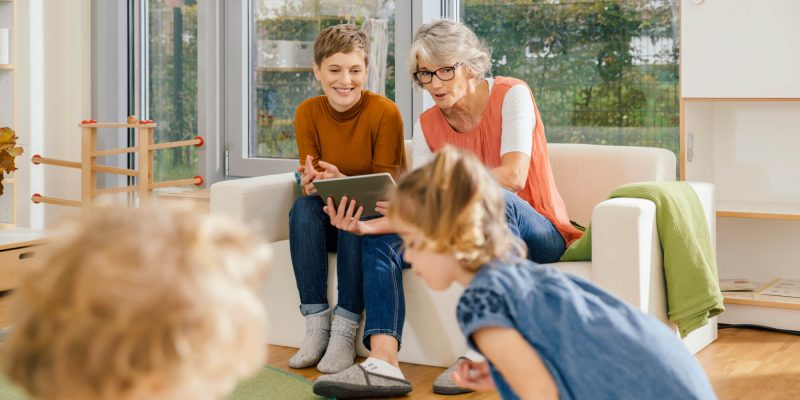
pre-school-teachers-with-tablet-looking-at-children-in-kindergarten.jpg

A balanced routine includes regular sleep, nutritious meals, study time, play, and family bonding. Consistency helps children feel secure and develop good habits.

Incorporate fun activities, educational games, reading sessions, and hands-on projects. Learning becomes more engaging when it’s interactive and aligned with your child’s interests.

Set clear limits, choose age-appropriate content, and encourage alternative activities like outdoor play, reading, or creative hobbies. Balance is key to healthy digital habits.

Listen actively, validate their feelings, and model positive coping strategies. Encourage open communication and provide opportunities for self-expression through play, art, or conversation.

More Question Answer

Offer a variety of fruits, vegetables, and proteins. Make meals fun with colorful plates and involve kids in cooking to spark interest in healthy eating.

Create a quiet, distraction-free environment, establish routines, and break tasks into smaller steps. Short, engaging learning sessions often work best.

Stay calm, acknowledge your child’s feelings, and redirect their attention to a constructive activity. Consistency and patience help reduce tantrums over time.

Children can start learning age-appropriate skills like dressing, brushing teeth, and simple chores as early as 2–3 years old. Gradually increasing responsibilities builds confidence.

Newborns need 14–17 hours, toddlers 11–14 hours, and school-age children 9–12 hours. Establishing a bedtime routine supports healthy growth and mood.
Use hands-on activities, educational games, storytelling, and creative projects. Incorporating play makes learning enjoyable and effective.
Encourage interaction with peers, model positive communication, and provide opportunities for teamwork and cooperative play.
Plan routines, set priorities, and involve your child in simple tasks. Communicating openly with your family and setting realistic expectations helps manage stress.

Our Blogs

Parenting & Education Updates

Managing Screen Time for Kids in a Digital Age
08Sep

Managing Screen Time for Kids…

Technology is an important part of modern life, but too much screen time can affect children’s development, sleep, and attention […]

Creating a Healthy Daily Routine for Your Child
08Sep

Creating a Healthy Daily Routine…

A consistent daily routine helps children feel secure and develop good habits. Simple schedules for sleep, meals, play, and study […]

Fun Learning Activities at Home for Kids
08Sep

Fun Learning Activities at Home…

Learning doesn’t have to be confined to the classroom. At-home activities can spark curiosity and make education enjoyable for children […]

Scroll to Top